

Ambition
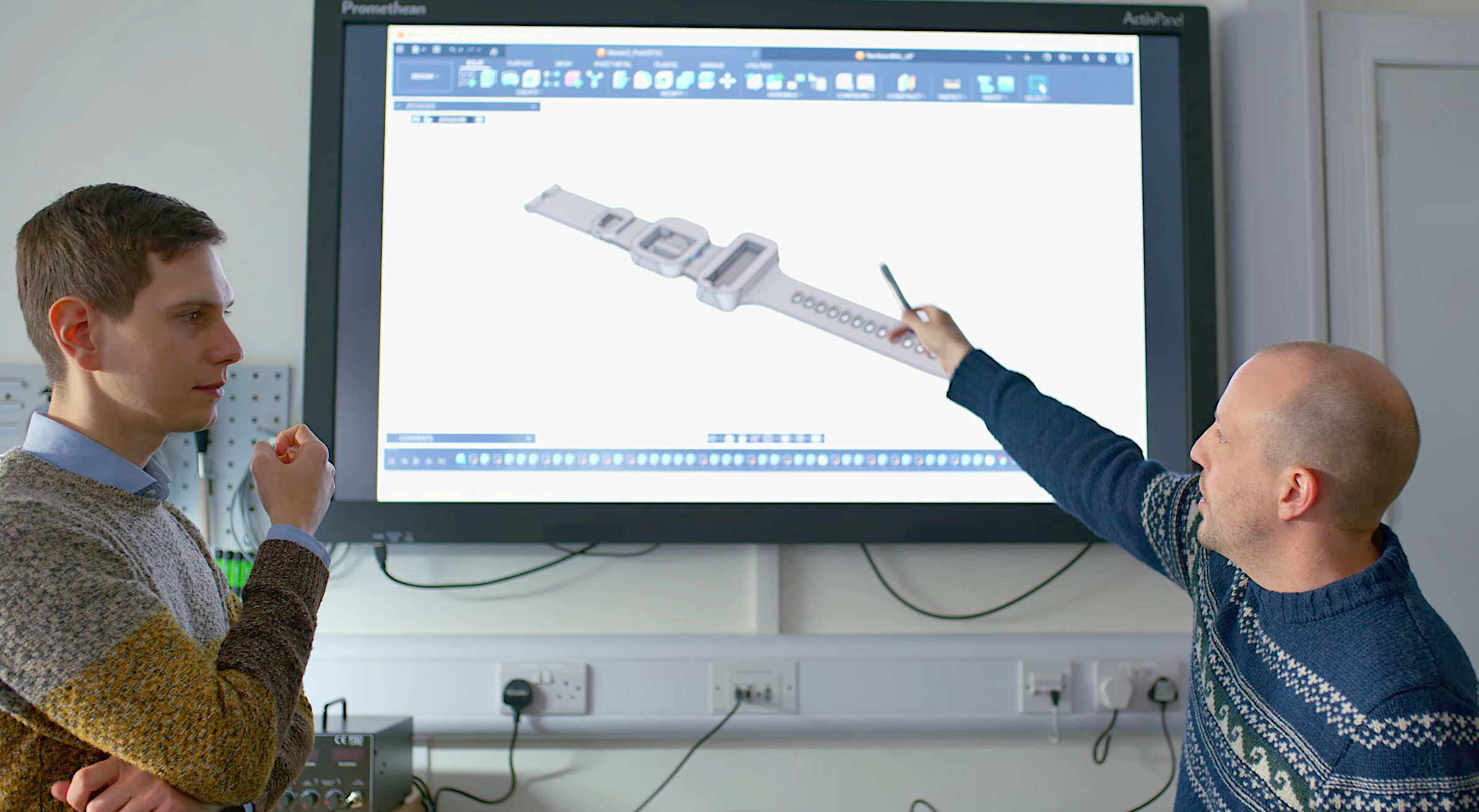
The EHS Lab aims to bring affordable and accessible healthcare technology to underserved people both in high and lower resource settings. To achieve this, we are keen to engage with a range of stakeholders including potential users, clinical practitioners, engineers, and business specialists.
Our core focus has been on developing low-cost haptic hearing aids. These are sensory substitution devices that convert sound into vibration to support lip reading and sound perception for people with hearing loss. We have shown these can be effective both in supporting speech perception and ability to locate sounds in cochlear implant users and for those unable to access cochlear implant technology.
As well as refining our haptic technology and assessing clinical effectiveness, we are working to better understand how sound information can most effectively be transferred to the brain through vibration as well as the neural underpinnings of haptic enhancement of hearing.
Our work also expands to a range of applications of haptics, such as the use of haptics for post-stroke rehabilitation for those experiencing aphasia, haptic balance aids, and also adjacent applications of our core technologies, such as low-cost bone-conduction hearing aids for low-resource settings.
Expertise

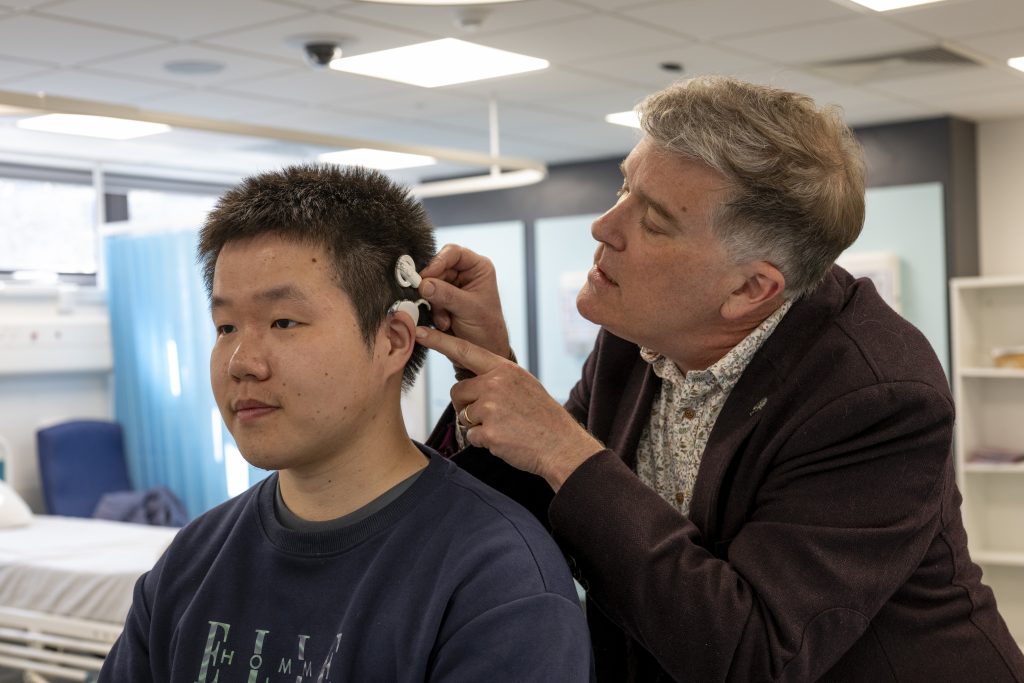
We are a highly multi-disciplinary group working across the School of Healthcare Enterprise & Innovation, the Institute of Sound & Vibration (ISVR) and Auditory Implant Service (USAIS) at the University of Southampton and in collaboration with several national and international partners, including Brighton & Sussex Medical School, University College London, and University of Rochester (USA).
We been supported by a range of funders, including the Demant Foundation, Oticon, and the UK Engineering and Physical Sciences Research Council.
Education
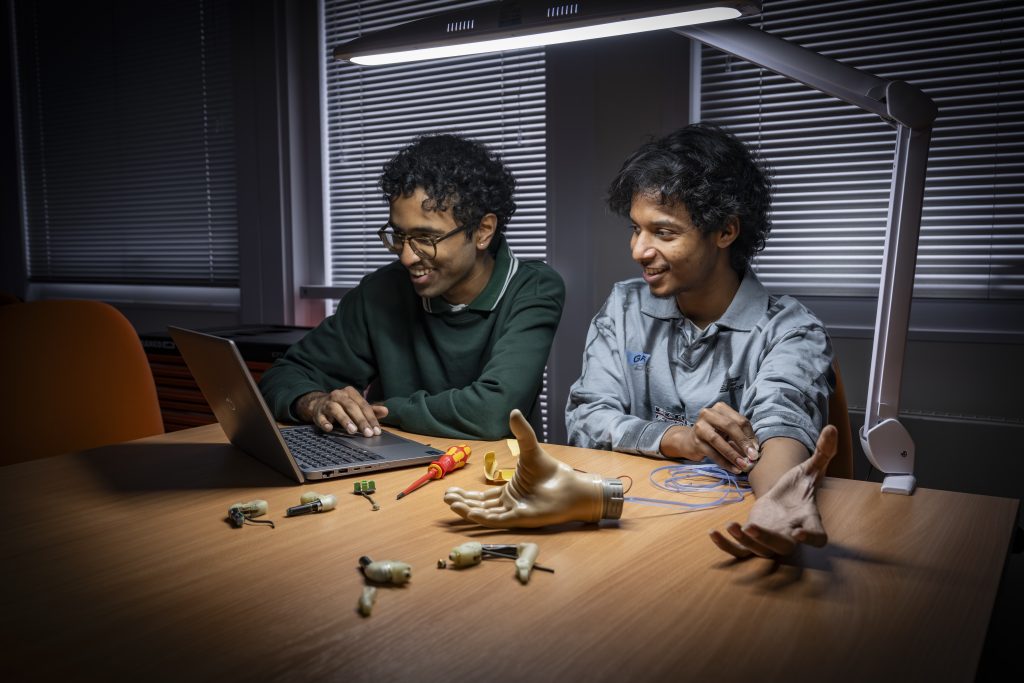
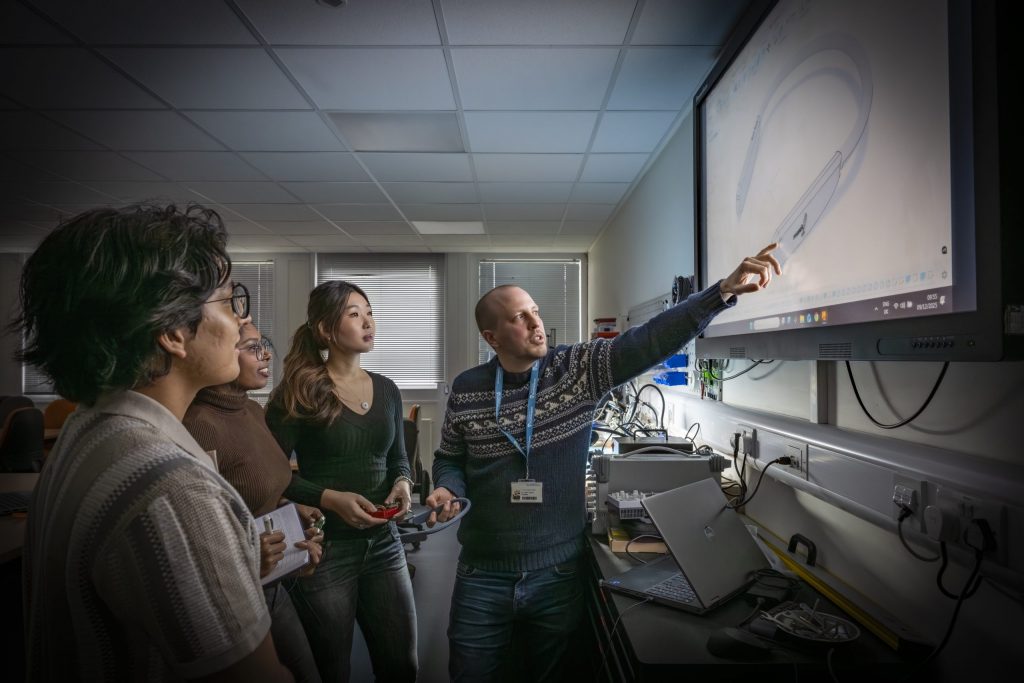
We are also welcoming students to our new MSc in Medical Technology, Innovation and Design, where teams work to identify clinical needs, design innovative solutions, and establish a pathway for real-world delivery. The course is a collaboration between the School of Healthcare Enterprise and Innovation at the University of Southampton and the University Hospital Southampton NHS Foundation Trust.
We also provide educational support materials and run a series of informal evening seminars, which bring together a wide range of perspectives on healthcare and medical technology. Unlike a traditional lecture series, these sessions are intentionally informal, with talkers not expected to present detailed data. Instead, leaders from a range of fields share insights into how they have succeeded.